
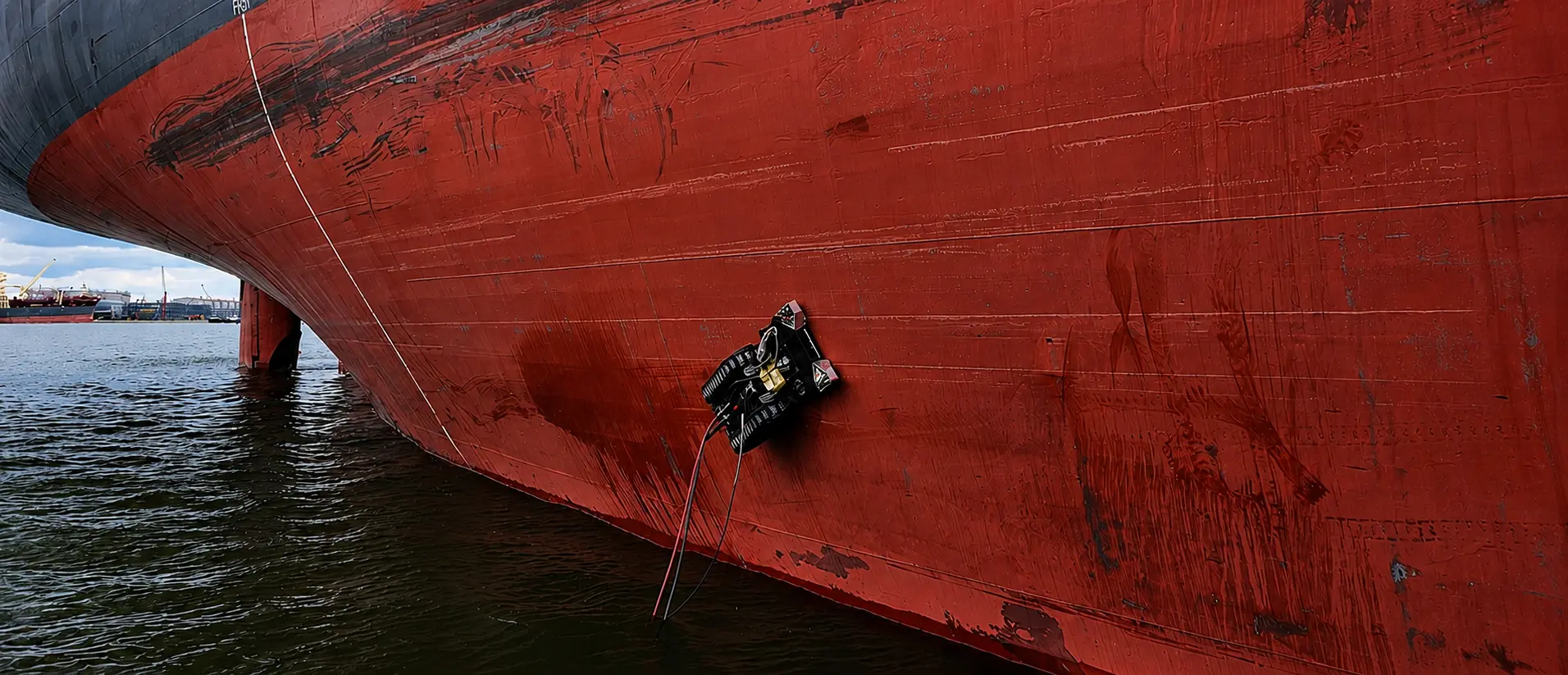
Robotic hull cleaning unit working on the red hull of a vessel afloat

Service: Cargo holds
Cargo hold preparation between voyages

Hold cleaning at GCC ports, executed and verified to the standard required by your next load port.

The hold cleanliness standard required at the load port is determined by the next cargo, not by the previous operation. Coal-clean, grain-clean and high-grade preparations are progressively higher specifications, each requiring greater time, water and labour to achieve. BluFlow cleans to the specification required by the next cargo, and verifies the holds meet it before sign-off.

Cleaning grade specifications

Coal-clean

The baseline preparation.

Suitable for coal, ore, scrap and similar bulk cargoes. Loose residues removed, holds dry-swept and washed down. Adequate for rotations between similar dirty cargoes; does not meet the standard required for grain or sensitive subsequent cargoes.

1

Grain-clean

The standard most commonly required at load ports.

Holds washed and free of cargo residues, loose rust and paint flakes. Hatches, beams and supporting structures included. The expected standard for grain, fertiliser and similar dry bulk cargoes.

2

High-grade and food-grade

Required for sensitive cargoes.

Holds washed and odour-free, with hard rust spot-treated and supporting structures cleaned to the same standard. Specified for sensitive cargoes including food, soya and sugar, where residual odour and contamination are the common failure modes.

3

Common load port failure modes

Residual cargo in corners and beneath dunnage

Crew-only cleans frequently leave residues in hold corners and behind dunnage debris. These are typically identified during the surveyor’s initial walkthrough.

Hard rust in bilges and around fittings

Extended seawater contact between cleans produces hard rust deposits that fall below the threshold accepted at grain-clean and higher specifications.

Residual odour

The primary failure mode at food-grade preparation. Frequently undetected during coal-clean and grain-clean inspections, where odour is not part of the surveyor’s standard check.

Prepare your holds to specification before your next cargo

Request vessel assessment

Thank you! Your submission has been received!
Oops! Something went wrong while submitting the form.