
Who we serve: Ports and terminals
Underwater asset cleaning and inspection for GCC ports
Port and terminal operators in the GCC manage extensive submerged infrastructure exposed to high-fouling tropical waters. Quay walls, jetty piles, intake structures and fender systems all accumulate marine growth that affects inspection visibility, structural condition monitoring and operational performance.
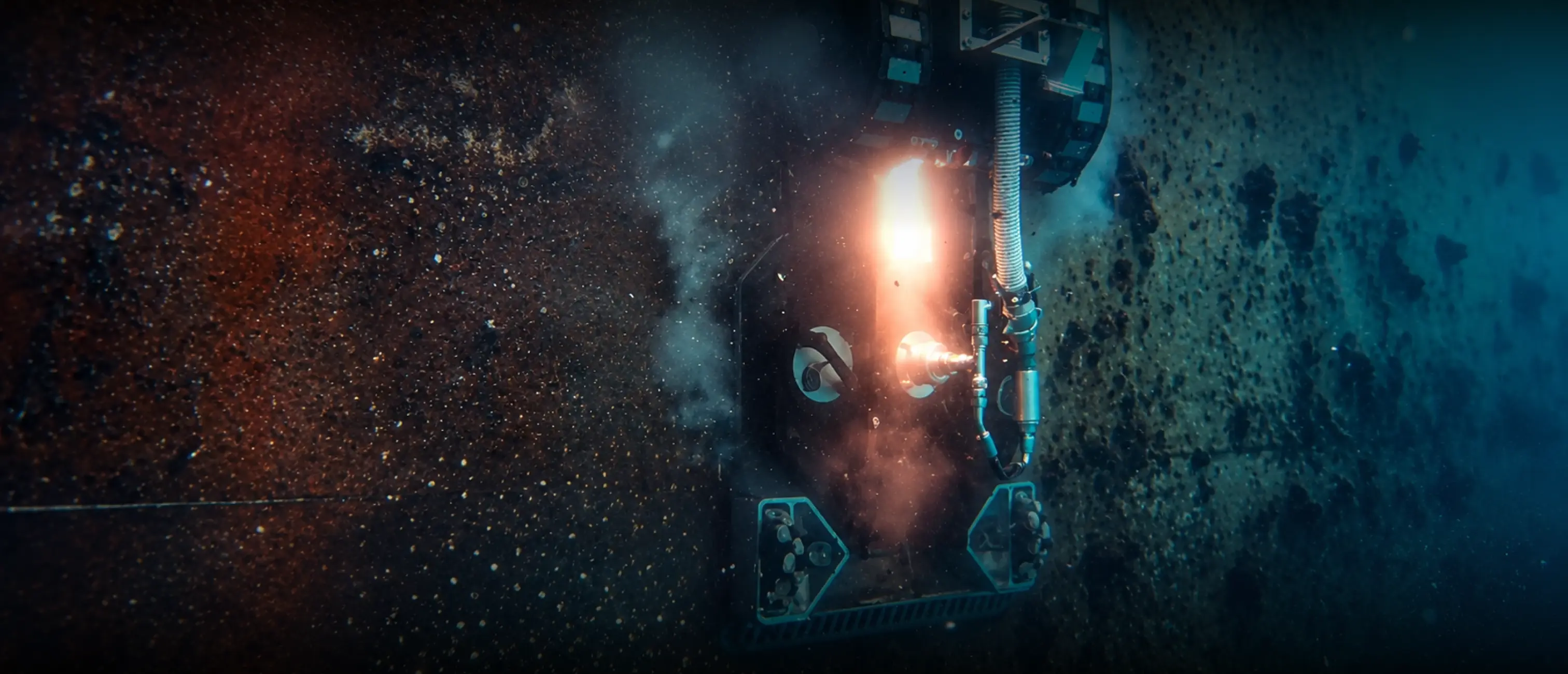
BluFlow supports port and terminal operators with robotic cleaning and inspection of submerged assets, reducing reliance on divers for routine work and producing documentation suitable for asset management records and regulatory reporting.
Operational challenges addressed

Inspection access
Marine growth obscures structural condition, complicating routine inspection of quay walls, piles and submerged fixtures.

Diver dependency
Routine cleaning by divers carries safety, permitting and scheduling burdens that scale with the size of the port.

Environmental compliance
In-water work near sensitive habitats and active berths requires clear methodology, captured waste and documented handling.

Berth productivity
Underwater work scheduled around vessel calls demands a contractor able to mobilise quickly and complete within agreed windows.
Three service lines available to GCC port and terminal operators
Quay wall and pile cleaning
Robotic cleaning of vertical concrete and steel surfaces below the waterline.
Underwater inspection
Robotic visual inspection of submerged infrastructure with photo and video evidence.
Maintenance programmes
Scheduled cleaning and inspection cycles aligned to the port’s asset management plan.
Measured outcomes

Reduced
Diver hours per inspection cycle

Documented
Condition record per asset

Aligned
Mobilisation to berth availability
From enquiry to maintenance cycle
Enquiry
Asset inventory, location and access constraints received.
Site visit
Walk-through with port operations and HSE.
Method statement
Scope, simops plan and HSE documentation issued.
Delivery
Cleaning and inspection conducted within agreed windows.
Reporting
Documentation issued per asset for the port’s records.
“Routine underwater work at a port becomes easier to plan, and easier to document, when divers are not the default first call.”